Context

Montezuma LLC wants to build a carbon dioxide waste dump near Solano County’s Montezuma Wetlands. The project, known as the Montezuma Carbon Hub, would require a massive buildout of pipelines through San Francisco Bay and Suisun Bay. These pipelines and the carbon-capture project itself pose serious risks to wildlife and public health while doing nothing to protect the climate.

Montezuma LLC's proposed scheme would directly impact both Contra Costa and Solano counties. The project’s developers want to drill a carbon-injection well near Collinsville in Solano County, adjacent to ecologically sensitive wetlands in the San Francisco Bay Area Delta. Much of the proposed carbon-capture equipment would be in Contra Costa County.

Developers plan to source carbon waste from refineries and power plants across the East Bay and transport it by a lengthy — potentially underwater —  CO2 pipeline network to the injection site.
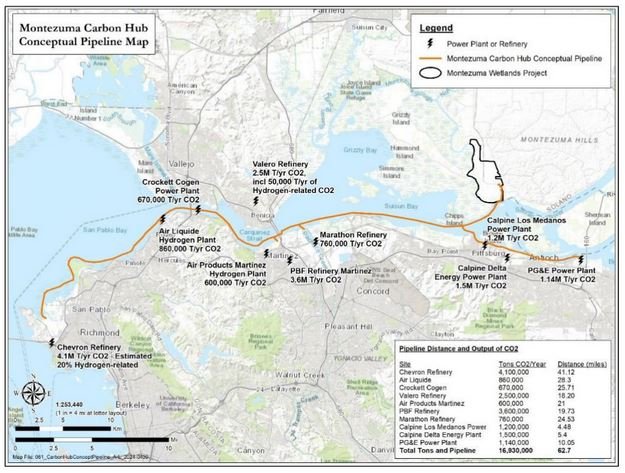
Regional facilities and possible pipeline route _ Excerpt from updated Montezuma Carbon Hub’s class VI
Proposed pipeline route

What Is Carbon Capture and Storage?

Carbon capture and storage — aka CCS or carbon-waste dumping — is an expensive and dangerous distraction from real climate solutions.

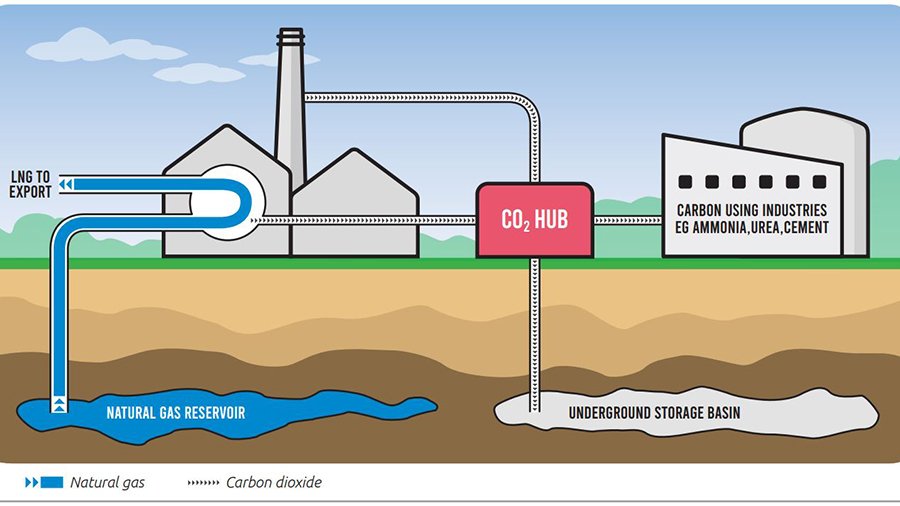
CCS involves capturing a portion of CO2 emissions from polluting facilities, compressing it, transporting it, and then pumping it underground to be stored indefinitely.

Carbon-waste dumping is championed by the fossil fuel industry and other big polluters because it allows them to greenwash their activities and continue business as usual.

Despite decades of development and billions of dollars of investment, CCS has consistently proven to be unsafe, ineffective, economically unsound, and unnecessary.

CCS does not remove existing CO2 from the atmosphere. At best it diverts a fraction of additional CO2 pollution produced from burning fossil fuels and other dirty fuels. One Harvard Public Health article compares CCS to cigarette filters: The filters still let harmful chemicals through, and cigarettes are still deadly, but the filters let cigarette companies claim they’re somewhat healthier. Industry wants us to believe CCS creates “healthy” CO2 emissions.

There’s not a single example of a large, commercial, industrial-scale carbon-waste dumping project actually capturing the amount of carbon that project developers promise. The first carbon-injection well the EPA ever permitted in the United States was recently found leaking CO2 underground, and the company behind was issued a notice for violating its permit.

The industry will use Montezuma’s Bay Area carbon-waste dumping proposal to justify prolonging the lifespan of refineries and polluting power plants in the region — when the real climate solution is to phase out these polluting facilities and clean up and remediate the land they sit on.

Read more about carbon-waste dumping. [link to the Center’s CCS FAQ sheet]

process-image

Public Health and Safety

Carbon-waste dumping poses significant threats to public health because of the risks associated with compressed  CO2 leaking from pipelines and injection wells.

Because compressed CO2 is denser than oxygen, pipeline leaks displace the oxygen in air we breathe, leading to asphyxiation, seizures, loss of consciousness, and potentially death. Leaking compressed CO2 also hampers the ability of emergency vehicles to reach areas affected by leaks.

The threat of a dangerous CO2 pipeline leak isn’t theoretical. In 2020 a CO2 pipeline leaked into a town in Mississippi, leading to the emergency evacuation of more than 300 people and sending 45 people to the hospital. Victims were reportedly found unconscious, foaming at the mouth, and “acting like zombies.” Many are still living with the health consequences of the leak.

CO2 pipelines are especially difficult to construct and protect against leaks. Any presence of water in the pipeline creates a corrosive acid that leads to “zipper” fractures — long and difficult-to-repair fractures in the pipeline. Montezuma has proposed transporting compressed CO2 under the Bay.

In the Bay Area, more CO2 pipelines mean greater risk of leaks. California is one of the most seismically active U.S. states, and earthquakes pose a risk in the area where the project has been proposed. An earthquake that damages one of these CO2 pipelines could have catastrophic consequences for local communities.

Environmental Justice

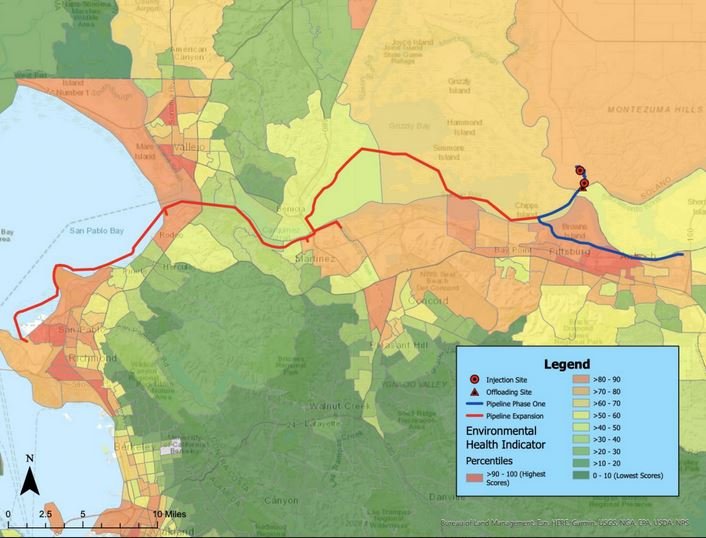
The Montezuma Carbon Hub is proposed near communities that are already disproportionately exposed to air pollution in Solano and Contra Costa counties.

Capturing carbon from refineries and power plants around the Bay Area will perpetuate ongoing harm to these communities by prolonging the lifespans of these polluting facilities.  Through federal tax credits, companies get paid for every ton of CO2 they capture and inject — meaning they get paid for their pollution. They’re incentivized to stay open and keep polluting.

Even if the project were able to capture the amount of carbon it promises to capture, which is highly unlikely, carbon-capture technology doesn’t stop other pollutants from escaping refineries and power plants, harming people’s health and the environment.

CCS projects are energy intensive, using 15% to 25% more energy to produce the same amount of power as a conventional power plant. The additional energy needed to power CCS equipment has been called an energy penalty and can place greater strain on our energy grid. Because CCS uses more energy, facilities using CCS emit more air pollution and cause higher upstream pollution from the extraction and transport of additional fuel.

Montezuma’s project would be used to justify keeping the Bay Area’s dirty refineries and power plants operational — polluting frontline communities for decades and prolonging environmental injustice in neighborhoods closest to refineries and power plants.

The fossil fuel industry is investing big in carbon capture projects across California and is heavily subsidized by both federal and state incentive programs. The Institute for Energy Economics and Financial Analysis estimates that federal tax breaks for CCS development could amount to $6 billion per project proposed across the US over the next 12 years.These are resources that could be going to support frontline communities in leading an equitable transition away from fossil fuels. Instead, they’re being used to prop up fossil fuel companies and entrench the harms they perpetrate upon overburdened and often marginalized people in the Bay Area.

CalEnviroScreen 4.0 SB 535 Disadvantaged communities map with proposed pipeline route overlayed
Pipeline route near environmental justice communities
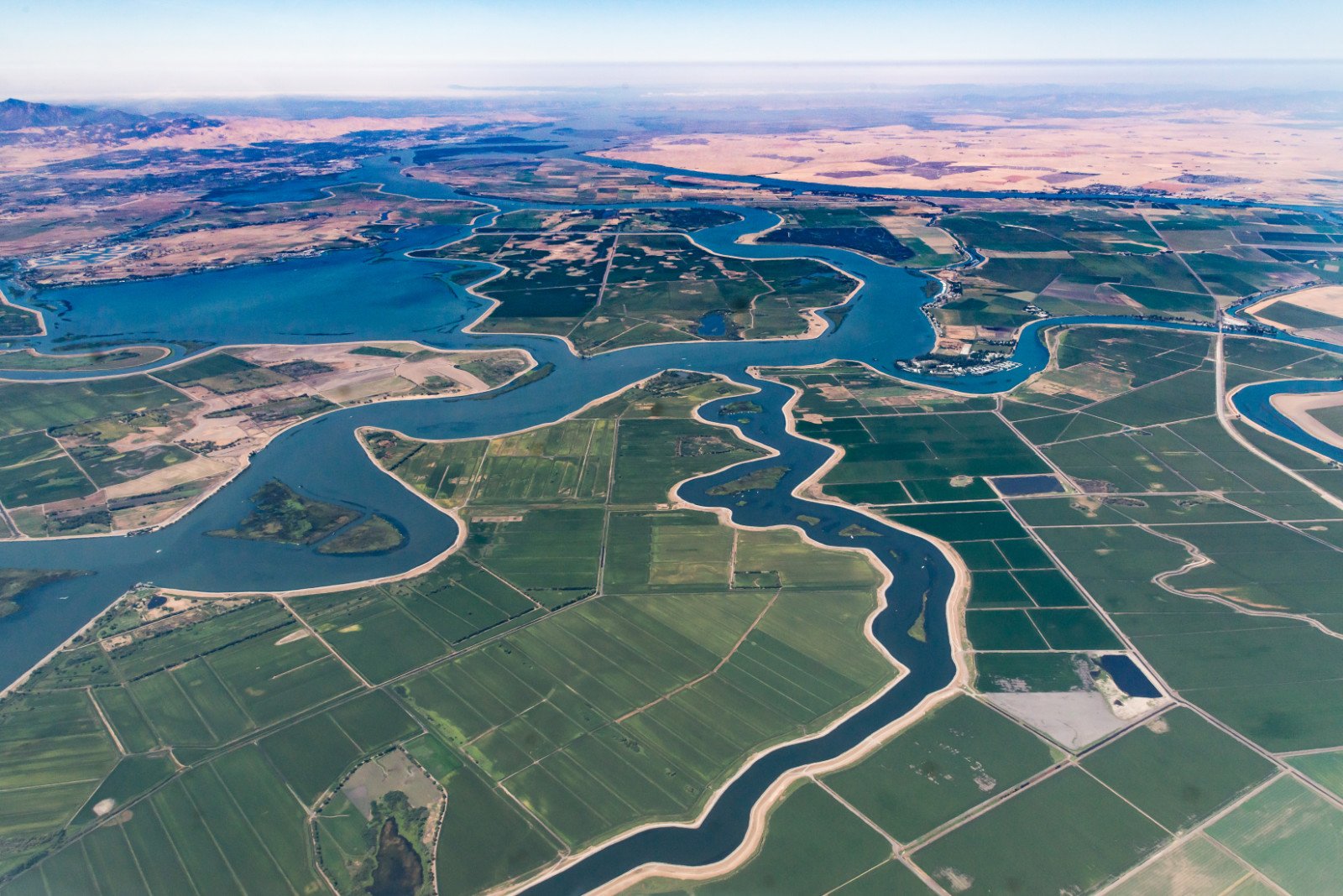
iStock.com/Bill_Dally 594910696 1600px

Carbon Transportation and Pipeline Regulation

CO2 pipelines are currently un- or underregulated. The federal Pipeline and Hazardous Materials Safety Administration recently proposed new CO2 pipeline safety regulations, but the Trump Administration has frozen them, leaving pipeline safety rules in a state of uncertainty.

Meanwhile, California Legislators are prematurely lifting the state’s partial moratorium on building new CO2 pipelines. Ending these commonsense community protections will open the floodgates to a dangerous pipeline buildout across the state, including in the Bay Area.

If California’s moratorium is lifted too early, it will open the floodgates to a dangerous, underregulated pipeline buildout across the state.

For now, CCS projects are circumventing this barrier by including other means of transportation, like barges and trucks, in their proposals. Leaks from these modes of transportation could also cause great harm.

Threat to Biodiversity

The Montezuma Wetlands are supposed to restore 1,800 acres of tidal wetlands in the San Francisco Bay Area Delta ecosystem and protect threatened and endangered species.

Drilling injection wells and building pipelines near this crucial habitat will disrupt threatened and endangered species.

Some of the endangered and threatened species that could be harmed by this project include salt marsh harvest mice, Delta and longfin smelt, and California least terns.

Additionally, any CO2 leak along the 40-mile pipeline that Montezuma Carbon Hub is proposing to construct through the San Francisco Bay could harm Bay Area ecosystems and species.